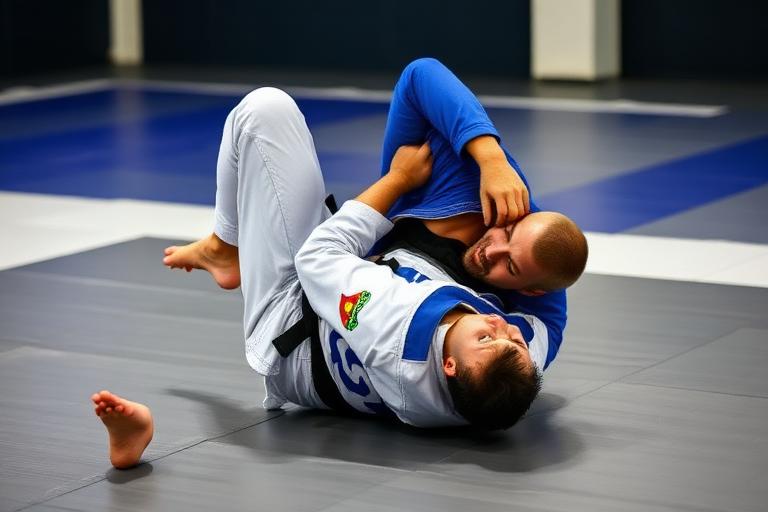
BJJ vs Wrestling: Which Grappling Art Should You Learn?
Brazilian Jiu-Jitsu and Wrestling are the two dominant grappling arts in combat sports. Most MMA champions have a strong base in one or both. But they're fundamentally different in philosophy, technique, and competition rules. Here's how they compare.
Philosophy
Wrestling is about dominance through superior positioning and control. Pin your opponent. Stay on top. Never be on your back. Wrestling rewards aggression, physical conditioning, and relentless pressure.
BJJ is about submission — forcing your opponent to tap out through joint locks and chokes. BJJ embraces fighting from the bottom (guard) and emphasizes technique and leverage over raw athleticism. The famous saying is "position before submission."
Technique Differences
Takedowns
Wrestling has far superior takedowns — single legs, double legs, hi-crotch, fireman's carries, throws. Wrestlers spend years perfecting the art of putting someone on the ground against their will.
BJJ takedowns exist but are generally weaker. Many BJJ practitioners prefer to pull guard (intentionally going to their back) rather than fight for a takedown.
Ground Game
Wrestling focuses on pins, rides, and top control. There are no submissions in wrestling — the goal is to hold your opponent down. Once a wrestler gets on top, they're incredibly hard to move.
BJJ's ground game is far more complex. Guard play, sweeps, back takes, and submissions (arm bars, triangles, guillotines, rear naked chokes) make BJJ the most sophisticated ground fighting system. BJJ practitioners are dangerous from every position, including their backs.
Training Style
Wrestling training is brutal — endless drilling, live wrestling, sprints, and conditioning. It builds incredible mental toughness and physical fitness. Most wrestling programs are structured through schools.
BJJ training is more technique-focused. Classes involve instruction, drilling, and "rolling" (live sparring). The atmosphere tends to be more relaxed, and you can train BJJ well into your 50s and 60s.
For MMA
In MMA, wrestlers control where the fight takes place. They can keep the fight standing or take it to the ground at will. BJJ specialists are most dangerous when the fight goes to the ground, but may struggle to get there.
The ideal MMA grappler has wrestling for takedowns and top control, combined with BJJ for submissions and guard work. This is why most elite MMA fighters cross-train in both.
For Self-Defense
Wrestling's takedown ability and top control are extremely practical for self-defense. However, the lack of submissions means you can control an attacker but not finish the encounter quickly.
BJJ's submissions allow you to end an altercation decisively without striking. The rear naked choke, for example, can render an attacker unconscious in seconds. However, pulling guard on concrete is not advisable.
Which Should You Choose?
Choose Wrestling if: You value physical conditioning, want dominant takedowns, and enjoy high-intensity training.
Choose BJJ if: You want a technical ground game, enjoy problem-solving, and want to train martial arts long-term.
Choose Both if: You're serious about MMA or want the most complete grappling skillset possible. Pair a rash guard with fight shorts and you're ready for either mat.
Stay in the Ring
Get training tips, gear guides, and exclusive deals straight to your inbox.