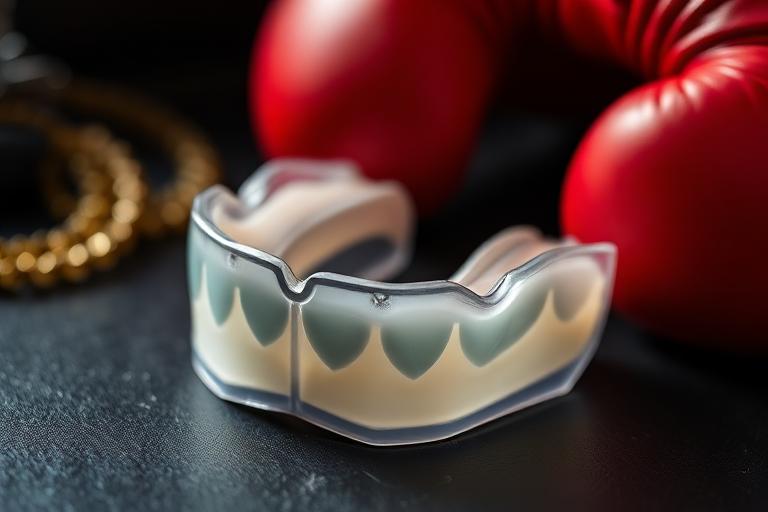
How to Choose the Right Mouthguard for Combat Sports
A mouthguard is non-negotiable once you start sparring. It protects your teeth from chips and fractures, cushions your jaw against knockout blows, and may even reduce concussion risk. Here's how to choose the right one.
Types of Mouthguards
Stock (Pre-Formed)
Ready to use out of the package. They're cheap ($5–$15) but offer the worst fit and protection. They're bulky, uncomfortable, and make breathing and communication difficult. Only suitable as an emergency backup.
Boil-and-Bite
The most popular option. You soften the mouthguard in hot water, then bite down to mold it to your teeth. Good ones cost $15–$40 and offer decent protection and a reasonable fit. This is what most beginners and intermediate fighters use.
Custom-Fitted (Dentist-Made)
A dentist takes an impression of your teeth and creates a mouthguard tailored exactly to your mouth. These offer the best fit, comfort, breathing, and protection. They cost $100–$400 but are absolutely worth it if you're sparring regularly.
What to Look For
- Thickness: At least 3mm of material over the front teeth. Thinner guards don't adequately absorb impact.
- Coverage: Should cover all teeth up to the molars. Some guards only cover the front teeth — avoid these.
- Breathing: You should be able to breathe through your mouth with the guard in. If you can't, it's affecting your cardio.
- Stay-in-place: The guard should hold firmly on your upper teeth without you clenching to keep it in.
Upper vs. Lower Guard
The vast majority of fighters use an upper-jaw guard only. It protects the most vulnerable teeth and provides a cushion between upper and lower jaw. Double guards (upper and lower) exist but make breathing very difficult and aren't necessary for most fighters.
Maintenance
Rinse your mouthguard with cold water after every session. Brush it with a toothbrush and toothpaste weekly. Store it in a ventilated case — never in your gym bag loose. Replace it every 6–12 months, or immediately if you notice tears, thinning, or changes in fit.
When to Upgrade
If you're sparring more than twice a week, invest in a custom-fitted guard. The improved breathing alone will noticeably boost your sparring cardio, and the superior protection is worth every penny. Pair it with quality headgear for maximum protection during sparring sessions.
Stay in the Ring
Get training tips, gear guides, and exclusive deals straight to your inbox.