Headgear Maintenance: Cleaning, Storage, and When to Replace Your Sparring Gear
Headgear sits against your face and scalp for every sparring session, absorbing sweat, impact, and friction. Unlike gloves, which only contact your hands, headgear touches some of the most sensitive skin on your body — forehead, cheeks, chin, and ears. Proper maintenance isn't optional.
After Every Session
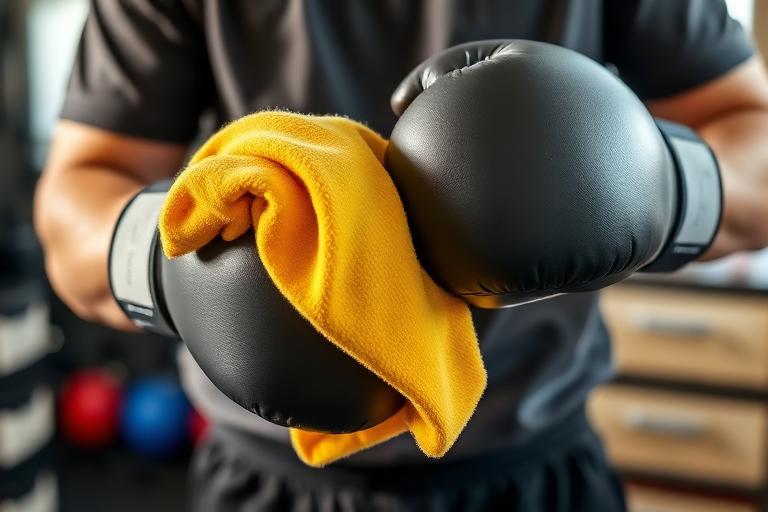
- Wipe the entire interior with anti-bacterial spray or wipes. Focus on the forehead pad and cheek pads — these absorb the most sweat.
- Wipe the exterior to remove your training partner's sweat, saliva, and any blood spots.
- Open all straps and closures to expose the interior to air.
- Air dry completely in a ventilated space before storing. Do not put damp headgear in a closed bag.
Deep Cleaning (Monthly)
Use a damp cloth with mild soap to scrub the interior lining. For leather headgear, use a leather-safe cleaner on the exterior. For synthetic, any mild detergent works. Rinse the cloth and wipe clean — don't submerge the headgear in water, as trapped moisture inside the foam takes days to dry and promotes mould growth.
For persistent odour, spray the interior with a 50/50 water-vinegar solution and let it air dry completely. Tea tree oil (2-3 drops added to the spray) provides additional anti-bacterial protection.
Padding Inspection
Check padding density every 3-6 months:
- Press firmly on the temple pads — they should compress about halfway before you feel solid resistance. If they compress fully to the shell, the foam is dead.
- Check the forehead pad — this takes the most direct impacts and degrades first.
- Inspect cheek pads for uneven compression (one side may wear faster depending on your sparring habits).
Leather Care
Genuine leather headgear needs conditioning every 4-6 weeks. Use a quality leather conditioner (the same type used for leather furniture or shoes). Apply a thin layer with a soft cloth, let it absorb for 15 minutes, then buff off excess. This prevents cracking, maintains flexibility, and extends the life of the leather by years.
Synthetic leather (PU) doesn't need conditioning but should be kept away from heat sources that can cause delamination.
When to Replace
- Padding no longer springs back after compression (the most critical sign)
- Straps or Velcro no longer hold securely — headgear that shifts during sparring is dangerous
- Visible cracks in the exterior shell (compromised structural integrity)
- Interior lining is torn or separating (creates hygiene issues and uneven padding)
- After any sparring session where the headgear failed to protect you from a clean hit that it should have absorbed
With proper care, quality headgear lasts 2-3 years of regular sparring. Budget headgear may need replacement annually.
Stay in the Ring
Get training tips, gear guides, and exclusive deals straight to your inbox.