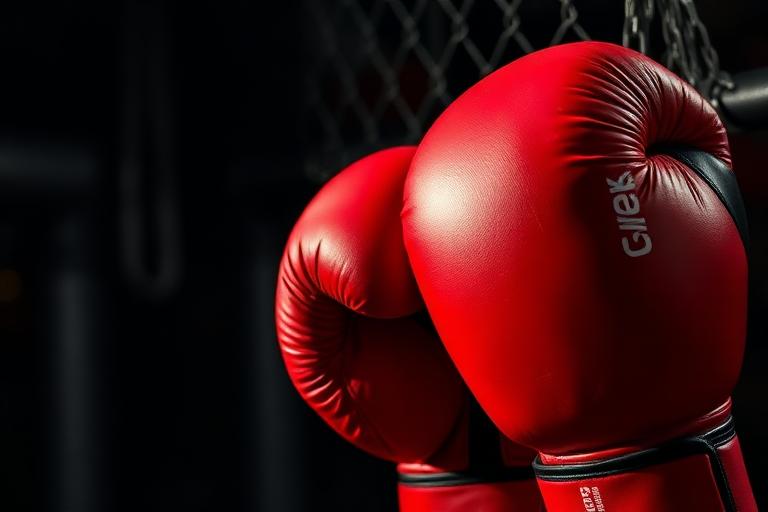
How to Choose the Right Boxing Gloves: A Complete Size & Weight Guide
Choosing the right boxing gloves is one of the most important decisions you'll make as a fighter. The wrong size can lead to hand injuries, poor performance, and wasted money. Whether you're a complete beginner or a seasoned competitor, this guide will walk you through everything you need to know.
Understanding Boxing Glove Weights
Boxing gloves are measured in ounces (oz), typically ranging from 8oz to 18oz. The weight you choose depends on your body weight, training type, and experience level.
8oz – 10oz Gloves
These are competition gloves. At 8oz, they're used in professional bouts for fighters under 147 lbs. 10oz gloves are standard for fighters above that weight class. They offer minimal padding, so they're not recommended for regular training — the reduced cushioning increases the risk of hand and wrist injuries during heavy bag sessions.
12oz Gloves
A versatile option for lighter fighters (under 150 lbs) who want a single pair for both bag work and light sparring. They provide decent protection while still offering good speed and feedback. If you're a beginner under 150 lbs, 12oz is a solid starting point.
14oz Gloves
The sweet spot for most adult fighters between 150–180 lbs. 14oz gloves give you enough padding for bag work and partner drills, while still being light enough to develop speed. Many gyms require 14oz minimum for sparring at lighter weight classes.
16oz Gloves
The industry standard for sparring. Most gyms require 16oz gloves regardless of weight class because they provide maximum protection for both you and your sparring partner. If you're buying one pair and plan to spar, get 16oz. Fighters over 180 lbs should strongly consider 16oz for all training.
18oz Gloves
Primarily used by heavyweights (200+ lbs) for sparring. The extra padding protects bigger, harder-hitting fighters. Some trainers also recommend 18oz gloves for conditioning — the extra weight builds shoulder endurance over time.
How to Measure Your Hand for Boxing Gloves
Wrap a tape measure around your dominant hand, just below the knuckles (excluding the thumb). This circumference determines your glove size within each weight category:
- 6" – 6.5": Small (typically 12oz)
- 6.5" – 7.5": Medium (14oz)
- 7.5" – 8.5": Large (16oz)
- 8.5"+: X-Large (16oz – 18oz)
Always try gloves on with your hand wraps on. Wraps add about half an inch of circumference, and your gloves should fit snugly over them without cutting off circulation.
Choosing by Training Type
Bag Work & Pad Work
For hitting heavy bags and focus mitts, you want enough padding to protect your hands but not so much that you lose feedback. 12oz–14oz is ideal for most people. Look for gloves with firm, multi-layer foam padding that absorbs shock without collapsing.
Sparring
Sparring requires maximum padding — 16oz is standard. Your gloves need to protect your training partner as much as your own hands. Look for softer foam, a secure wrist strap, and a snug fit that prevents the glove from shifting on impact.
Competition
Competition glove weights are dictated by your sanctioning body and weight class. Most amateur boxing uses 10oz or 12oz. Professional bouts use 8oz or 10oz. You'll likely need a separate pair specifically for competition day.
Material Matters
Boxing gloves come in genuine leather and synthetic leather. Genuine leather lasts longer, molds to your hand over time, and breathes better — but costs more. Synthetic leather (like our Rage Pro Boxing Gloves) has come a long way in quality and offers excellent durability at a more accessible price point, especially for beginners and intermediate fighters.
Closure Types: Velcro vs Lace
Velcro (Hook & Loop): Easier to put on and take off by yourself. Great for training. Most fighters use velcro gloves 90% of the time.
Lace-Up: Provides a tighter, more secure fit. Preferred for competition. Requires someone to help you lace up, which is impractical for daily training.
Quick Reference Guide
- Under 120 lbs: 10oz–12oz (bag), 14oz–16oz (sparring)
- 120–150 lbs: 12oz (bag), 16oz (sparring)
- 150–180 lbs: 14oz (bag), 16oz (sparring)
- 180+ lbs: 16oz (bag), 16oz–18oz (sparring)
Final Tips
Don't cheap out on gloves — your hands are your most important tools. Replace gloves when the padding feels compressed or the stitching starts to separate. Always use quality hand wraps underneath for added wrist support and hygiene. And if in doubt, size up rather than down — extra padding never hurt anyone.
Stay in the Ring
Get training tips, gear guides, and exclusive deals straight to your inbox.