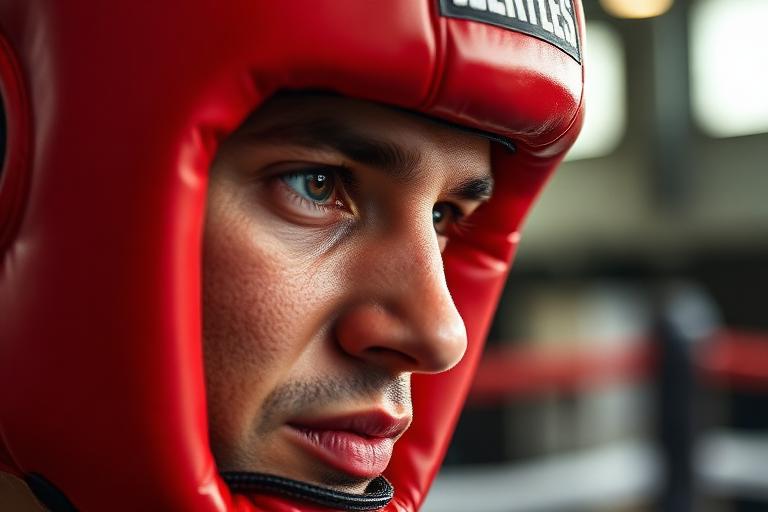
Best Headgear for Sparring: A Complete Buyer's Guide for Boxing, MMA, and Muay Thai
Headgear is the most debated piece of protective equipment in combat sports. Some coaches swear by it; others argue it creates a false sense of security. The research is nuanced, but one thing is clear: if you're going to spar, quality headgear dramatically reduces cuts, bruises, and facial bone fractures. This guide helps you choose the right type for your sport and sparring style.
Types of Headgear
Open Face
Open-face headgear protects the forehead, temples, and back of the head while leaving the face exposed. This is the standard for amateur boxing and provides the best peripheral vision and breathing. The trade-off is zero protection against straight punches to the nose and cheekbones.
Best for: Boxing sparring where partners have good control, technical sparring at light intensity.
Full Face (with Cheek Guards)
Full-face headgear adds padded cheek guards that protect the zygomatic bone (cheekbone) and partially shield the nose. This is the standard for Muay Thai and MMA sparring because elbows, knees, and spinning attacks can hit unexpected angles. The cheek guards reduce your peripheral vision slightly but provide significantly more protection.
Best for: Muay Thai, MMA, and hard boxing sparring.
Face Saver (with Nose Bar)
Face-saver headgear includes a padded bar across the nose. This provides maximum facial protection and is commonly used in gyms that prioritise safety. The nose bar can obstruct downward vision slightly, making it harder to see low kicks and body shots coming.
Best for: People with a history of nose injuries, beginners who are still developing defensive skills, and anyone who wants maximum protection during hard sparring.
Key Features to Evaluate
Padding Density
Multi-layer foam (soft inner + dense outer) is the gold standard. The soft layer conforms to your skull for comfort; the dense layer absorbs and distributes impact force. Single-density foam guards are cheaper but compress unevenly under repeated strikes.
Press the padding firmly with your thumb. If you can feel your skull through the padding, it's too thin for sparring. The padding should compress about 50% before you feel resistance — that's the dense outer layer doing its job.
Vision
Your headgear should never block your sight lines. When wearing it, you should be able to see a training partner's feet while looking straight ahead. If the brow padding sits too low or the cheek guards are too wide, you'll turn your head to track shots instead of using your eyes — which gets you hit more, not less.
Try the headgear on and have someone throw slow jabs and hooks. Can you see the punches coming from straight on and from the side? If not, try a different model.
Fit and Stability
Headgear that shifts during exchanges is worse than no headgear — it blocks your vision at the worst possible moment. Look for models with:
- Lace-up or Velcro rear closure with fine adjustment
- Chin strap that holds the guard in place without choking you
- Snug fit around the temples (the most common impact zone)
Shake your head vigorously with the headgear on. If it moves more than half an inch in any direction, it's too loose.
Sizing
Measure the circumference of your head at the widest point (typically across the forehead, just above the ears):
- Small: 20-21" (51-53cm)
- Medium: 21-22" (53-56cm)
- Large: 22-23" (56-58cm)
- XL: 23-24" (58-61cm)
When between sizes, go smaller. Headgear stretches with use, and a snug fit on day one becomes a perfect fit by week two. Loose headgear never tightens up.
Material
Genuine leather is the most durable and breathable option. It moulds to your head shape over time and lasts 2-3 years of regular sparring. The downside is weight and cost.
Synthetic leather (PU/PVC) is lighter, cheaper, and easier to clean. Modern synthetics perform nearly as well as leather for most recreational sparring. They don't develop the same personalised fit but hold up well for 12-18 months of use.
Maintenance
Wipe down the interior with anti-bacterial spray after every session. Sweat degrades foam padding and breeds bacteria. Air dry completely before storing — never leave headgear in a closed gym bag. Condition leather headgear monthly to prevent cracking.
Replace your headgear when the padding no longer springs back after compression, the straps have lost their hold, or the exterior shell is cracking or peeling.
Stay in the Ring
Get training tips, gear guides, and exclusive deals straight to your inbox.