Best Rash Guards for No-Gi BJJ: What to Look For and Why It Matters
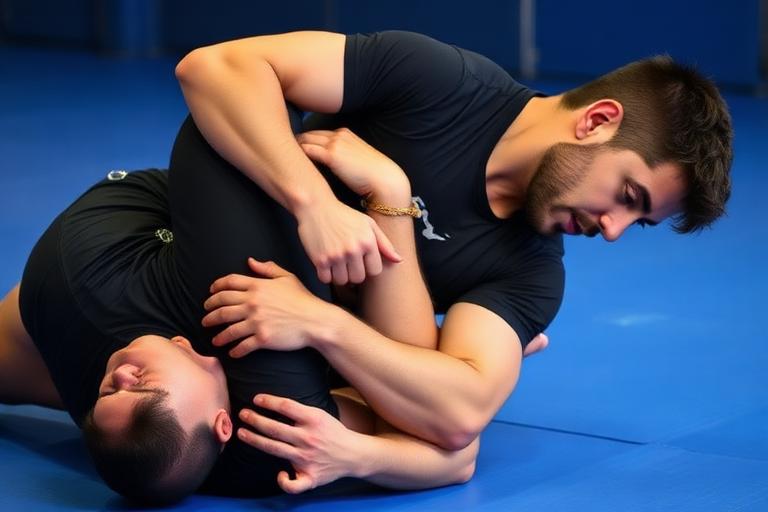
In no-gi BJJ, your rash guard does more than look good. It reduces mat burn, limits skin-to-skin contact (lowering infection risk), and creates a consistent surface that makes your opponent's grips harder to maintain. The wrong rash guard rides up during scrambles, retains odour, or falls apart after a few washes. Here's what separates a great training rash guard from a disposable one.
Compression Fit vs Loose Fit
Compression fit is the standard for BJJ. A tight rash guard stays in place during inversions, guard retention, and scrambles. It also gives your opponent less fabric to grab — in no-gi, any loose material becomes a handle.
Loose-fit rash guards are fine for striking classes or casual gym sessions, but they bunch up during grappling and can get caught on fingers and toes, leading to injuries for both partners.
When sizing, a rash guard should feel snug but not restrictive. You should be able to raise your arms overhead without the hem pulling up past your waistband. If it rides up during a drill, it's too short — size up or choose a brand with longer torso cuts.
Material and Construction
The best BJJ rash guards use a blend of polyester and spandex (typically 80/20 or 85/15). Polyester provides durability and moisture-wicking, while spandex adds stretch and compression. Avoid cotton blends — they absorb sweat, stretch out, and dry slowly.
Look for flatlock stitching on all seams. This type of stitching lies flat against the skin, preventing chafing during extended rolling sessions. Standard overlocked seams create raised ridges that irritate skin, especially around the armpits and neck.
The panel construction matters too. Four-panel rash guards (front, back, two sides) are the minimum. Six-panel designs with separate shoulder and underarm panels offer a more anatomical fit and better range of motion.
Hygiene Features
Anti-microbial treatment is worth the premium. BJJ rash guards contact sweat, saliva, and mat bacteria for hours per week. Silver-ion or zinc-based anti-microbial fabric treatments inhibit bacterial growth between washes and reduce odour.
That said, anti-microbial treatment is a supplement, not a substitute for washing. Wash your rash guard after every session in cold water, hang dry, and never leave it balled up in a gym bag.
Long Sleeve vs Short Sleeve
Long sleeve provides maximum mat burn protection and makes it harder for opponents to grip your arms. Most competitors prefer long sleeve for this reason. It also provides UPF 50+ sun protection for outdoor training.
Short sleeve is cooler and some grapplers prefer the freedom of movement around the elbows. However, you'll get more mat burn on your forearms and elbows, especially during guard play.
For competition, check the event rules. IBJJF requires rash guards to be at least 50% the colour of your rank (white side wears white rash guard, etc.). ADCC and most sub-only events have no colour restrictions.
Durability: What Fails First
The most common failure points are: seam blowouts at the underarm (from constant reaching and framing), collar stretching (from guillotine attempts and collar ties), and fabric pilling on the torso (from friction against mats and opponents).
Higher GSM (grams per square metre) fabric is thicker and more durable but also hotter. For BJJ, 200-250 GSM strikes the right balance between durability and breathability. Competition-weight rash guards (under 180 GSM) feel great but wear out faster under heavy training.
How Many Do You Need?
At minimum, you need as many rash guards as training sessions between laundry days. If you train 4 days a week and do laundry twice a week, you need at least 2-3 rash guards in rotation. Having extras means you're never tempted to re-wear a sweaty one — which is how skin infections start.
Stay in the Ring
Get training tips, gear guides, and exclusive deals straight to your inbox.