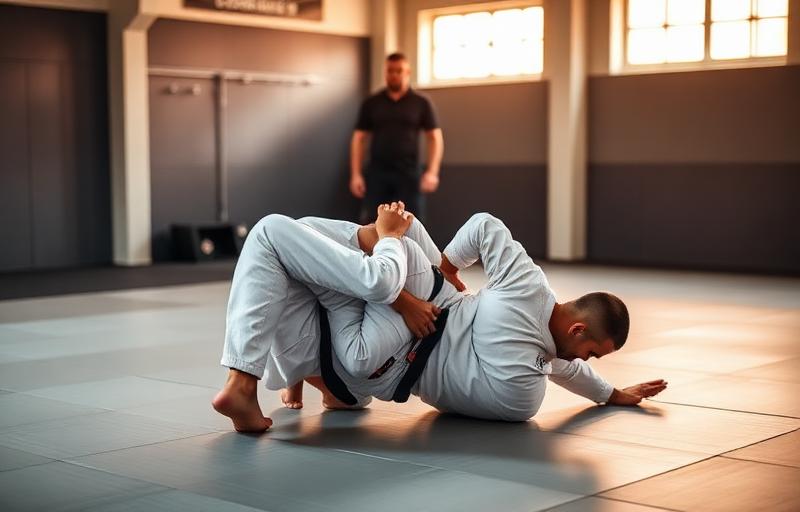
BJJ Injury Prevention: Protecting Your Fingers, Ears, Knees, and Neck
Brazilian jiu-jitsu has a lower acute injury rate than most contact sports, but its repetitive gripping, joint locks, and spinal compression create unique chronic injury patterns. Understanding these risks — and taking simple preventive steps — can add years to your training career. Here's what breaks down most often and how to protect it.
Finger and Hand Injuries
Gi gripping is the number one cause of chronic finger pain in BJJ. Every collar grip, sleeve grip, and pant grip loads your finger flexors under extreme tension. Over months and years, this leads to trigger finger, joint capsule thickening, and early-onset arthritis in the interphalangeal joints.
Prevention
- Tape your fingers. Athletic tape applied in an "X" pattern across the proximal interphalangeal (PIP) joints provides external support without limiting range of motion. Tape before every gi session, not just when pain appears.
- Release grips early. The most damaging moment for your fingers is when an opponent strip-passes through a death grip. If a grip is broken, let it go — don't fight a losing battle with your tendons.
- Train no-gi 1-2 times per week. This gives your finger flexors recovery time while still developing your grappling.
- Do extensor exercises. Wrap a rubber band around your fingers and spread them against resistance. 3 sets of 20 reps after training helps balance the over-developed flexors.
Cauliflower Ear
Cauliflower ear develops when the cartilage of the outer ear separates from the perichondrium (its blood supply) due to friction or impact. Blood pools in the gap, and if not drained, the cartilage dies and hardens into the characteristic lumpy shape.
Prevention
- Wear ear guards during sparring, especially if you play a lot of guard (your ears press against your opponent's body constantly) or do a lot of wrestling/takedowns.
- If your ear swells, drain it immediately. See a doctor or use a sterile syringe (18-gauge needle) to aspirate the fluid within 24 hours. Apply a compression bandage afterward to prevent re-accumulation.
- Magnets or compression clips applied after draining keep the cartilage pressed flat against the perichondrium while it heals.
Knee Injuries
The knee is the most commonly acutely injured joint in BJJ. MCL sprains from guard passing pressure, meniscus tears from twisting under load, and ACL injuries from heel hook defence are the primary risks.
Prevention
- Tap early to leg locks. Heel hooks in particular can damage the knee before you feel pain. If a heel hook is locked in and your foot can't rotate, tap immediately — there's no "fighting through" a properly applied outside heel hook.
- Strengthen your hamstrings and glutes. Nordic curls, Romanian deadlifts, and hip thrusts create muscular protection around the knee joint. Strong hamstrings reduce ACL injury risk by up to 50%.
- Don't sit in bad positions. Kneeling with your feet crossed behind you (the "W-sit" position) loads the knee ligaments at dangerous angles. Keep your feet tucked or extended.
- Wear a knee sleeve for warmth and proprioception if you have a history of knee issues. Neoprene sleeves don't prevent injury, but they improve joint awareness and blood flow.
Neck and Cervical Spine
Neck injuries in BJJ come from stacking (being folded over in guard), guillotine defence (tucking the chin against a squeeze), and inverted guard play. Chronic neck compression can lead to disc herniations and nerve impingement.
Prevention
- Strengthen your neck. Neck bridges, band-resisted flexion/extension, and manual resistance exercises build the supporting musculature. Strong neck muscles absorb force that would otherwise compress your discs.
- Don't invert under pressure. Inverted guard is a valid technique, but inverting while your opponent is driving forward loads your cervical spine dangerously. Only invert when you have space to do so safely.
- Tap to stacks. If someone is folding you in half and you feel compression in your neck, tap. No position is worth a disc herniation.
General Prevention Principles
- Warm up before rolling. 10 minutes of movement prep (hip circles, shoulder rotations, bridging, shrimping) increases synovial fluid production and prepares connective tissue for load.
- Choose training partners wisely. New white belts who go 100% with no control cause more injuries than any technique. Roll with people who match your intensity and respect the tap.
- Sleep and nutrition matter. Connective tissue repairs during sleep. Collagen, vitamin C, and adequate protein support tendon and ligament recovery. Chronic under-sleeping while training hard is a recipe for injury.
Stay in the Ring
Get training tips, gear guides, and exclusive deals straight to your inbox.