Preparing for Your First Fight: What to Expect and How to Get Ready
Deciding to take your first fight is one of the bravest decisions you'll make as a martial artist. Whether it's an amateur boxing bout, a Muay Thai smoker, or an amateur MMA fight, the experience will test everything you've built in training. Here's a comprehensive guide to getting yourself ready — physically, technically, and mentally.
Are You Ready?
Before committing to a fight, honestly assess these criteria:
- Training time: Most coaches recommend a minimum of 12-18 months of consistent training (4-5 times per week) before your first fight. This ensures you have solid fundamentals under pressure.
- Sparring experience: You should have at least 50-100 rounds of sparring under your belt. If you haven't been hit, caught, or taken down repeatedly, you're not prepared for the adrenaline of a real fight.
- Cardio base: Can you maintain a hard pace for 3 consecutive 3-minute rounds? If you gas out in the second round of sparring, you need more conditioning before fighting.
- Coach's approval: Your coach should actively support your decision to fight. If they're hesitant, listen to them — they see things in your game that you can't.
The 8-Week Fight Camp
A structured fight camp gives your body and mind time to peak at the right moment.
Weeks 8-6 (Building Phase): High volume training. 5-6 sessions per week mixing technique, sparring, and conditioning. This is where you put in the hard work. Sparring should be 2-3 times per week with varying partners — bigger, smaller, faster, more experienced.
Weeks 5-3 (Sharpening Phase): Reduce volume slightly, increase intensity. Your sparring rounds should mirror fight conditions: same round length, same number of rounds, with a corner giving you advice between rounds. Develop and refine your specific game plan for the fight style (pressure fighter, counter striker, etc.).
Weeks 2-1 (Taper Phase): Significant reduction in training volume. Light technical work and short, explosive rounds only. No hard sparring in the last 10 days — there's nothing to gain and everything to lose from a training injury this close to fight night. Focus on rest, visualization, and maintaining weight.
Fight week: Very light movement. Shadow boxing, visualization, and making weight. Sleep is your priority. Go to bed early, minimize stress, and stay off social media (seriously — comparing yourself to your opponent's highlight reel does nothing productive).
Weight Management for Fight Night
Amateur fights typically have weigh-ins the morning of or the day before. Know your organization's rules.
For your first fight: Don't cut more than 3-5 lbs. Anything more than that requires experience and can seriously impair your performance. It's better to fight at a natural weight and have full energy than to drain yourself making a lower weight class.
The week before: Gradually reduce carbohydrate intake (not eliminate) and slightly reduce water intake on the day before weigh-in. After weighing in, immediately rehydrate with electrolyte drinks and eat easily digestible carbs and protein.
Mental Preparation
Fear before a fight is universal. Every fighter — from first-timers to world champions — experiences pre-fight anxiety. The difference is how they manage it.
Visualization: Spend 10-15 minutes daily in the last two weeks visualizing your fight. Not fantasizing about a highlight-reel knockout — visualize executing your game plan. See yourself throwing your jab, checking kicks, defending takedowns, and staying composed. Include adversity: visualize getting hit clean and recovering, getting taken down and escaping.
Process over outcome: Don't fixate on winning or losing. Focus on executing your game plan. "I will throw my jab, move my feet, and stay composed" is a better mental mantra than "I will knock him out."
Accept the fear: You'll be scared. That's normal and healthy — fear sharpens your senses and keeps you safe. The goal isn't to eliminate fear; it's to perform despite it.
Fight Night: What to Expect
Arrive early. Shows typically require fighters to check in 1-2 hours before bouts begin. Bring your gear, your ID, your medical clearance (required for most sanctioned events), and your support team.
The warm-up area: You'll have a designated warm-up space. Start with light cardio (jump rope, shadowboxing) 30-40 minutes before your bout. Do pad work with your coach — short, sharp rounds to get your body moving and your mind focused. Don't exhaust yourself; just get warm and loose.
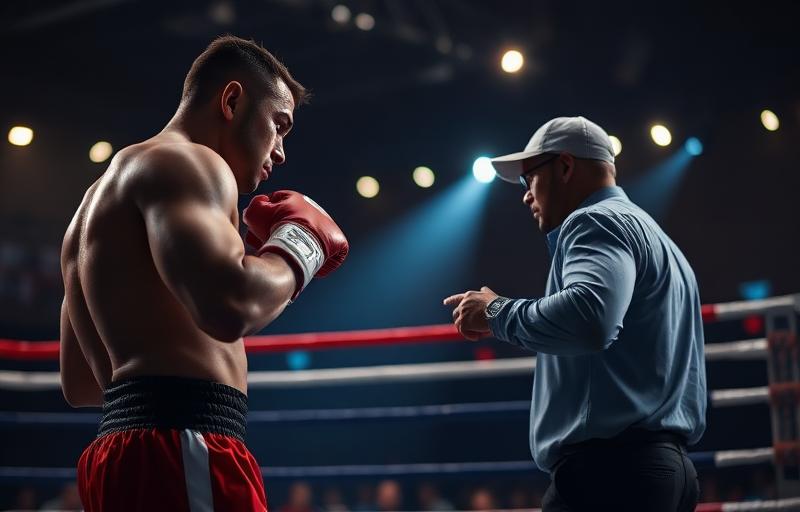
Getting gloved up: An official will tape your hands and supervise glove application. Your corner team can be with you for this. The ref will check your equipment: mouthguard in, cup on, no jewelry, nails trimmed.
The walk: Walking to the ring/cage with music playing and people watching is surreal. Your adrenaline will spike. Breathe. Stay focused on your corner's voice. Touch gloves with your opponent when the ref brings you together.
Round 1: The adrenaline dump is real. Your first 30 seconds will feel like everything is moving at double speed. Don't throw wild haymakers — stick to your basics. Jab, move, breathe. The adrenaline will settle within the first minute if you stay controlled.
Between rounds: Sit down, breathe, listen to ONE instruction from your coach. Not five — one. "More jabs" or "check the kicks" or "stay off the ropes." Execute that one thing in the next round.
After the Fight
Win or lose: Be gracious. Hug your opponent. Thank their corner. Thank your corner. Thank the ref. This is a combat sport built on mutual respect.
Medical check: Get checked by the event doctor, even if you feel fine. Report any headaches, dizziness, or unusual symptoms immediately.
Recovery: Take at least a week off from hard training after a fight. Your body and brain need time to recover, even if the fight was short. Ice anything that's swollen, eat well, hydrate, and sleep.
Review the tape: Have someone film your fight. Watch it once emotionally, then watch it again analytically. What worked? What didn't? Bring it to your next training session and work on the gaps you identified.
Your first fight changes you. Regardless of the result, you'll walk away with a confidence and self-knowledge that can't be built any other way. Welcome to the other side.
Stay in the Ring
Get training tips, gear guides, and exclusive deals straight to your inbox.