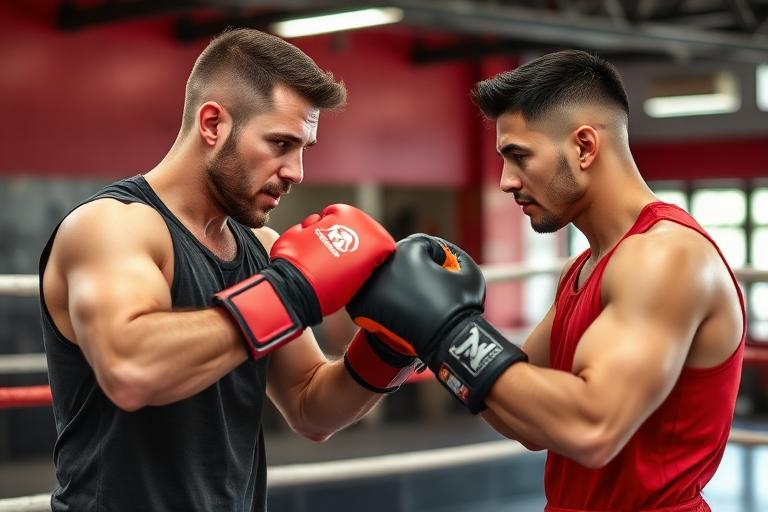
Why Every Fighter Needs a Good Coach: Finding the Right Mentor
You can watch every YouTube tutorial, read every article, and train every day — but nothing accelerates your development like a great coach. The right coach doesn't just teach technique; they build fighters from the ground up. Here's why coaching matters and how to find the right one.
What a Great Coach Does
Sees What You Can't
You can't see your own mistakes. A coach watches from the outside and identifies technical flaws, bad habits, and tactical errors that you'd never notice on your own. They catch the dropped hand, the telegraphed punch, the lazy footwork — and correct it before it becomes ingrained.
Builds Your Game Plan
A good coach understands your body type, natural attributes, and temperament, then helps you develop a fighting style that plays to your strengths. Tall and rangy? They'll develop your jab and footwork. Short and explosive? They'll build your pressure fighting and inside work.
Pushes You Past Limits
Left to your own devices, you'll stop when it gets uncomfortable. A good coach knows the difference between "I can't" and "I don't want to." They push you past self-imposed limits while keeping you safe from genuine overtraining.
Provides Accountability
When your coach is expecting you at the gym, you show up. When they've designed a training program for you, you follow it. The accountability alone is worth the investment — consistency is the single biggest factor in improvement.
What to Look For in a Coach
- Experience: Ideally, they've competed at a high level themselves and have coached other successful fighters. But experience coaching can be more valuable than experience fighting.
- Communication: They can explain techniques clearly and adjust their teaching style for different learners. Some people learn by watching, others by doing — a great coach adapts.
- Patience: Especially with beginners. If a coach gets frustrated when you don't pick something up quickly, that's a red flag.
- Honesty: They tell you the truth about your abilities, not what you want to hear. Honest feedback — even when it's uncomfortable — is essential for growth.
- Safety focus: They match you with appropriate sparring partners, control the intensity of drills, and prioritize long-term development over short-term results.
Red Flags
- Ego-driven coaching: If the coach makes everything about themselves and their accomplishments, run.
- No structured curriculum: Random techniques each class with no progression plan shows a lack of coaching methodology.
- Hard sparring beginners: A gym that throws beginners into hard sparring early is prioritizing toughness over development. This leads to injuries and burned-out students.
- No credentials or lineage: They should be able to explain who they trained under and what their competition or coaching background is.
- Cult-like atmosphere: If you're not allowed to train at other gyms, cross-train, or question techniques, that's a major red flag.
Private Coaching vs. Group Classes
Group classes are affordable and provide training partners for drilling and sparring. Most of your training will and should be in group settings.
Private sessions (1-on-1 with a coach) are where rapid improvement happens. The coach can focus entirely on your specific needs, fix individual problems, and develop your personal game plan. Even one private session per month on top of regular group training can dramatically accelerate your progress.
The Coach-Fighter Relationship
The best coach-fighter relationships are built on trust, respect, and honest communication. Your coach should believe in your potential, and you should trust their process. It's a partnership — they provide the roadmap, you do the work.
Find the right coach, invest in quality gear, and commit to the process. Your future self will thank you. The difference between a fighter who trains alone and one with a great coach is the difference between potential and performance.
Stay in the Ring
Get training tips, gear guides, and exclusive deals straight to your inbox.