Recovery Tips for Combat Sports Athletes: Train Hard, Recover Harder
Training breaks your body down. Recovery builds it back stronger. If you're training hard but not recovering properly, you're leaving performance on the table — and risking injury. Here's how to recover like a professional fighter.
Sleep: The #1 Recovery Tool
Nothing beats sleep for recovery. During deep sleep, your body releases growth hormone, repairs damaged muscle tissue, and consolidates motor skills (your technique actually improves while you sleep). Aim for 7-9 hours per night.
- Keep your room dark and cool (65-68°F is optimal)
- No screens 30 minutes before bed
- Consistent sleep and wake times, even on weekends
- Avoid caffeine after 2 PM
Post-Training Nutrition
Your post-training meal is the most important nutritional window of the day. Within 30-60 minutes of training, consume:
- 20-40g protein (whey shake, chicken, eggs)
- 40-60g carbohydrates (rice, fruit, oatmeal)
- Plenty of water to rehydrate
Active Recovery
On rest days, light activity promotes blood flow and speeds recovery. Options include:
- 20-30 minute walk
- Light swimming
- Yoga or mobility work
- Very light shadowboxing (50% effort, no intensity)
The goal is to move without creating additional stress. If it feels like a workout, you're going too hard.
Stretching and Mobility
Post-training stretching reduces muscle stiffness and maintains range of motion. Hold each stretch for 30-60 seconds. Focus on hips, shoulders, hamstrings, and the thoracic spine — the areas that take the most abuse in combat sports.
Ice and Heat
Ice (first 48 hours): For acute injuries — swelling, bruises, joint pain. Apply for 15-20 minutes, remove for at least an hour, repeat. Ice reduces inflammation and pain.
Heat (after 48 hours): For chronic muscle tightness and soreness. Hot showers, heating pads, or warm baths increase blood flow and promote healing. Many fighters swear by Epsom salt baths — the magnesium may help reduce muscle cramping.
Foam Rolling
Self-myofascial release with a foam roller breaks up muscle knots and adhesions. Spend 1-2 minutes on each major muscle group after training. Focus on quads, hamstrings, IT band, glutes, upper back, and lats. It's uncomfortable but effective.
Cold Water Immersion
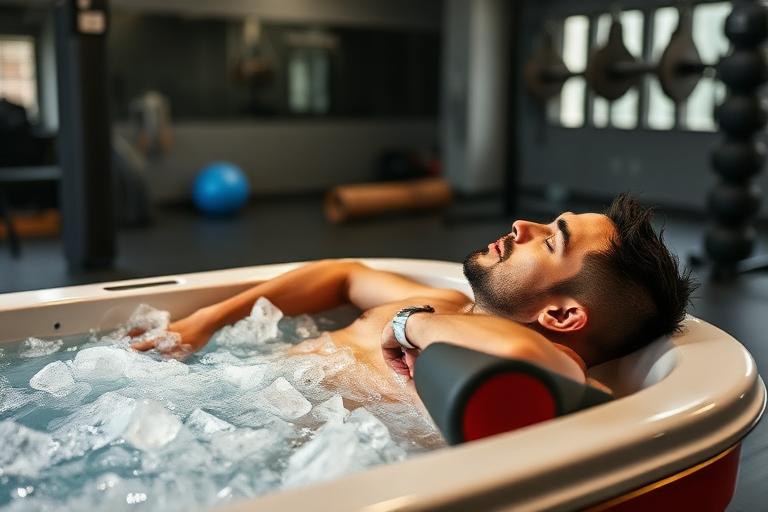
Ice baths (50-59°F for 10-15 minutes) are used by many professional fighters for recovery. The cold constricts blood vessels and reduces inflammation. When you warm back up, fresh blood rushes to the muscles carrying nutrients for repair. Not the most pleasant experience, but many athletes report significant reduction in soreness.
Deload Weeks
Every 4-6 weeks, reduce your training volume by 40-50% for a full week. This allows accumulated fatigue to dissipate and prevents overtraining. You'll feel refreshed and often come back stronger the following week.
Signs of Overtraining
- Persistent fatigue that doesn't improve with rest
- Decreased performance in training
- Chronic joint or muscle pain
- Difficulty sleeping despite being tired
- Getting sick frequently
- Loss of motivation to train
If you experience multiple symptoms, take a full week off. Your body is telling you something — listen to it.
Stay in the Ring
Get training tips, gear guides, and exclusive deals straight to your inbox.