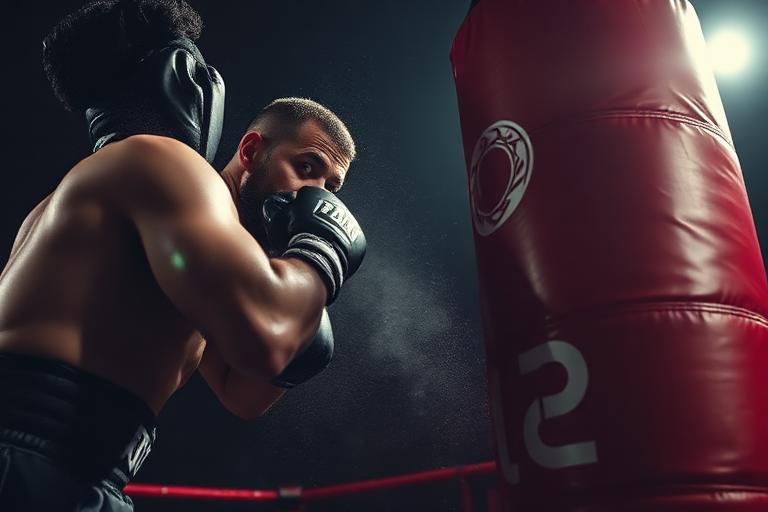
Heavy Bag Buying Guide: Weight, Fill, Mounting, and the Best Options for Home Training
A heavy bag is the single most important piece of equipment for home fight training. It develops power, technique, timing, and conditioning in a way that shadow boxing alone cannot match. But heavy bags vary enormously in weight, fill material, size, and mounting — and the wrong choice can mean a bag that swings too much, hurts your joints, or tears itself apart within months. This guide helps you choose the right one.
Weight: How Heavy Should Your Bag Be?
The general rule is that your bag should be approximately half your body weight. This gives enough resistance to absorb full-power strikes without swinging wildly, while still moving enough to simulate a target that reacts to your shots.
- 70 lbs: Suitable for fighters under 140 lbs, or for speed-focused boxing work. Swings more, which forces you to time combinations.
- 100 lbs: The most versatile weight. Works for fighters 140-200 lbs. Good balance between resistance and movement.
- 150 lbs: Ideal for heavy hitters over 200 lbs and for Muay Thai practitioners who need the bag to absorb full-power roundhouse kicks without flying sideways.
- 200+ lbs: Specialty bags for professional heavyweights. Requires heavy-duty mounting hardware.
Fill Material
Shredded Textile / Fabric
The most common fill for commercial bags. Shredded textiles (often recycled clothing) provide consistent resistance throughout the bag. They're firm enough for power work but forgiving enough on joints. The fill settles over time, so you'll need to top it off or rotate the bag periodically.
Sand
Sand-filled bags are extremely heavy and firm. They provide maximum resistance but are hard on your joints — long-term training on a sand bag can cause wrist and knuckle injuries. If you use a sand-filled bag, always wrap your hands and use quality gloves. Some bags use sand at the bottom with textile on top to create a weighted base that reduces swinging.
Water
Water-filled bags have a unique feel — they absorb impact more gradually, simulating the give of a human body more accurately than textile or sand. They're easier on joints and good for high-volume training. The downside is potential leakage, temperature sensitivity (water bags can freeze in unheated garages), and a softer feel that some fighters find unsatisfying.
Foam / Pre-Filled
Some modern bags come pre-filled with high-density foam that doesn't settle or shift. These provide the most consistent feel over time but can't be adjusted for weight. They're typically more expensive but require zero maintenance.
Size and Shape
Standard Heavy Bag (4-5 feet tall)
The all-around choice. Long enough for body shots and kicks, compact enough for most spaces. This is what you want for boxing, kickboxing, and general MMA striking.
Muay Thai Bag (6 feet tall)
Taller and often banana-shaped (wider at the bottom). The extra length allows low kicks, knee strikes, and clinch knees at a realistic height. Essential if Muay Thai is your primary discipline.
Uppercut / Wrecking Ball Bag
Short, round bags designed specifically for uppercuts, hooks, and close-range work. These are supplementary — not a replacement for a standard heavy bag.
Mounting Systems
Ceiling Mount
The best option for stability and natural swing. Requires a ceiling joist or exposed beam that can support 2-3x the bag's weight (to account for dynamic force during strikes). Use a heavy-duty swivel mount to allow the bag to rotate freely.
Wall Mount (Bracket)
Extends from a wall on a steel arm. Good for garages and basements where ceiling mounting isn't possible. The bag has less swing range, which some fighters prefer for close-range work. Requires a solid concrete or brick wall.
Freestanding (Base)
A weighted base (usually filled with sand or water) supports the bag without any permanent installation. Good for apartments and renters. The major downside is stability — heavy kicks will move or topple a freestanding bag. Filling the base to maximum capacity and adding sandbags around it helps.
Bag Stand (Frame)
A steel frame holds the bag from above, like a portable ceiling mount. More stable than freestanding bases but takes up significant floor space. Good option when you can't modify the ceiling or walls.
Maintenance
Wipe down the outer shell with a damp cloth and mild soap monthly. Leather bags benefit from occasional conditioning (leather conditioner prevents cracking). Check mounting hardware monthly for looseness — the dynamic stress of striking gradually loosens bolts and screws. Rotate the bag 90 degrees every few weeks to prevent uneven wear and fill settling.
Stay in the Ring
Get training tips, gear guides, and exclusive deals straight to your inbox.