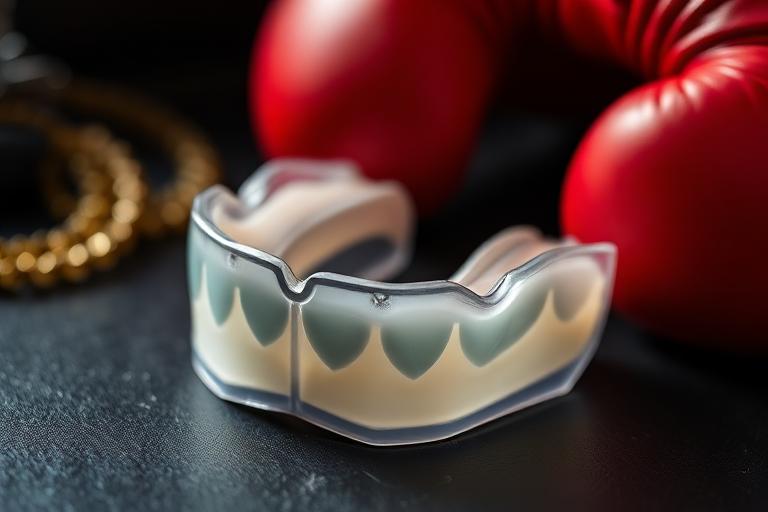
Mouthguard Buying Guide: Boil-and-Bite, Custom, and Dual-Layer Options Compared
A single punch to the mouth without a guard can cost $2,000-$10,000 in dental work. A mouthguard costs $5-$200. The math is simple, yet it's the most commonly forgotten piece of equipment in combat sports. This guide covers the three main types of mouthguards, how they protect you, and which one is right for your training.
Why Mouthguards Matter Beyond Teeth
A mouthguard does more than protect your teeth. It cushions the jaw joint (TMJ) and redistributes impact force across the entire dental arch rather than concentrating it on a single point of contact. This reduces the risk of jaw fractures, concussions (by preventing the mandible from slamming into the skull base), and soft tissue lacerations from teeth cutting the inside of your lips and cheeks.
Types of Mouthguards
Boil-and-Bite ($5-$25)
The most common type for combat sports athletes. You soften the guard in boiling water, place it in your mouth, and bite down to create a semi-custom impression. Modern boil-and-bite guards have improved dramatically — the best ones use dual-layer EVA (a soft inner and firm outer) that provides genuine protection.
Pros: Affordable, readily available, decent fit, replaceable.
Cons: Thicker than custom guards, can affect breathing if poorly fitted, less precise fit means some movement during impact.
Best for: Beginners, budget-conscious fighters, anyone who loses or damages guards frequently.
Custom-Fitted ($100-$200+)
Made from a dental impression of your teeth (either at a dentist's office or via a mail-in impression kit). Custom guards are thinner, more comfortable, and provide the most precise fit. They don't shift during impact and allow easier breathing and communication.
Pros: Best fit, thinnest profile, easiest to breathe through, most protective.
Cons: Expensive, 1-2 week production time, need replacement if your dental work changes.
Best for: Serious competitors, sparring-heavy training, anyone with dental work (crowns, bridges) that needs precise protection.
Stock / Universal ($2-$10)
Pre-formed guards that don't mould to your teeth at all. They rely on a generic shape that may or may not fit your mouth. These are better than nothing but significantly worse than the other options.
We don't recommend stock guards for combat sports. They don't stay in place during impact, they're uncomfortable, and they impair breathing. Spend the extra $10-$15 for a decent boil-and-bite.
Single Jaw vs Double Jaw
Single jaw (upper only) is the standard for boxing, MMA, and Muay Thai. It protects the upper teeth (which take the most direct impact) while allowing relatively normal breathing and speaking. This is what 95% of fighters use.
Double jaw (upper and lower) provides maximum protection but restricts breathing significantly. These are sometimes used in braces-wearing athletes or in sports where mouth breathing isn't critical. For combat sports, the breathing restriction is a real performance issue — stick with single jaw unless a dentist specifically recommends double.
How to Get the Best Fit from a Boil-and-Bite
- Boil water and let it sit for 30 seconds (you want 160°F/70°C, not a rolling boil — too hot melts the guard unevenly).
- Submerge the guard for exactly the time specified on the package (usually 30-60 seconds). Under-softening prevents a good impression; over-softening makes the guard too thin.
- Place in your mouth and bite firmly with your back teeth. Use your tongue to press the guard against the roof of your mouth. Suck in through your teeth to create suction that moulds the guard around every tooth.
- Hold for 30-60 seconds, then place in cold water to set the impression.
- Test the fit. Open your mouth — the guard should stay on your upper teeth without biting down. If it falls, re-boil and try again (most guards allow 2-3 attempts).
When to Replace Your Mouthguard
Replace when: it no longer fits snugly (stretched or deformed from repeated use), bite marks have compressed the material thin, edges are rough or cracked, or it doesn't stay seated during training. For boil-and-bite guards, expect 3-6 months of heavy use. Custom guards last 1-2 years with proper care.
Care and Storage
Rinse your guard after every session and store it in a ventilated case. Don't leave it in your gym bag — bacteria thrive in warm, enclosed spaces. Once a week, soak it in mouthwash or a denture cleaning tablet for 15 minutes to kill bacteria. Never use hot water to clean it — the heat deforms the mould.
Stay in the Ring
Get training tips, gear guides, and exclusive deals straight to your inbox.