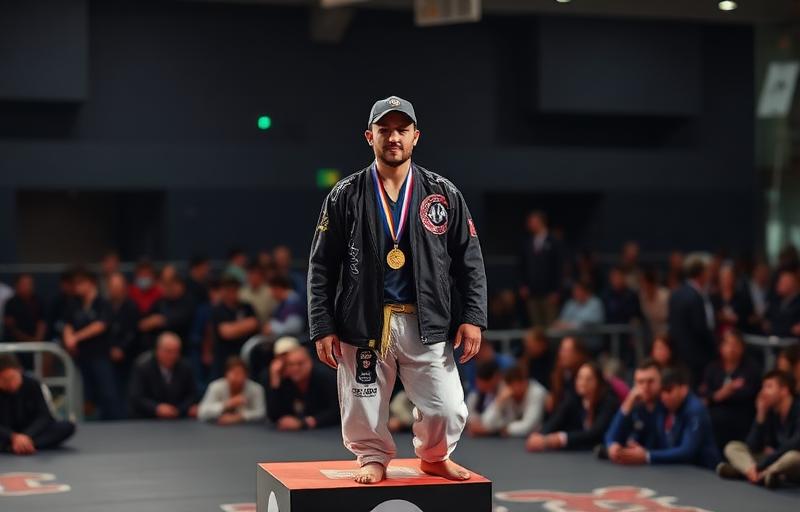
No-Gi Training Essentials: Everything You Need to Start Submission Grappling
No-gi grappling — sometimes called submission grappling or submission wrestling — strips jiu-jitsu down to its purest form. No grips on fabric, no gi chokes, just body mechanics, timing, and technique. Whether you're coming from gi BJJ, wrestling, or starting completely fresh, this guide covers everything you need to walk into your first no-gi class with confidence.
Essential Gear
Rash Guard
A compression-fit rash guard is mandatory for no-gi training. It prevents mat burn, reduces skin-to-skin contact (lowering infection risk), and keeps sweat contained. Long sleeve offers the most protection; short sleeve is cooler but leaves your forearms exposed to friction.
Avoid cotton T-shirts. They absorb sweat, bunch up during scrambles, and give your opponent something to grab — defeating the entire purpose of training without a gi.
Fight Shorts or Spats
Board shorts with Velcro or metal closures are banned in most academies — the hardware scratches skin and catches on fingers. Instead, use fight shorts with an elastic waistband and a drawstring tie. They should have no pockets, no zippers, and a 4-way stretch fabric that allows full hip mobility.
Spats (compression tights) worn under shorts or alone provide additional mat burn protection and muscle compression. Many grapplers wear spats under fight shorts for the best of both worlds.
Mouthguard
Accidental knees, elbows, and headbutts happen during scrambles. A boil-and-bite mouthguard is the minimum; custom-fitted guards from a dentist offer better protection and easier breathing. Wear one every time you roll.
Athletic Cup (Optional)
Some academies require cups; others discourage them because they can dig into training partners during closed guard. Check your gym's policy. If you wear one, choose a compression short with an integrated cup pocket rather than a jockstrap.
What to Expect in Your First Class
A typical no-gi class follows this structure: warm-up (15 minutes of movement drills), technique instruction (20-30 minutes of drilling a specific position or submission), and live rolling (20-30 minutes of sparring rounds, usually 5-6 minutes each).
Most coaches will pair you with an experienced training partner for your first few classes. Don't be afraid to sit out rounds if you're gassed — nobody judges a beginner for pacing themselves. Stay hydrated and bring a towel.
Key Differences from Gi Training
If you're coming from gi BJJ, the biggest adjustment is grip fighting. Without sleeves and collars to grab, you'll rely on wrist control, underhooks, overhooks, and collar ties (hand behind the neck). The pace is faster because positions are harder to hold — sweat makes everything slippery.
Leg locks are more common in no-gi. At many academies, heel hooks and knee bars are introduced earlier than in gi training. Learn proper leg lock defence (don't spin against a heel hook — turn into it) before you start rolling hard.
Hygiene Rules
- Shower before and after training. Arriving clean reduces everyone's infection risk. Showering after removes bacteria before they colonise.
- Trim your nails. Long fingernails and toenails cause scratches that easily become infected. Trim before every session.
- Wash your gear after every session. Never re-wear a rash guard or shorts without washing. Bacteria multiply rapidly in damp athletic gear.
- Cover any open wounds. Even small cuts should be covered with a waterproof bandage and tape. If you have an active skin infection (ringworm, staph, impetigo), stay off the mat until it's fully healed.
- Wear sandals off the mat. Walking barefoot in the changing room and then stepping on the mat transfers bacteria from the floor to the training surface. Flip-flops solve this.
Building Your No-Gi Game
Focus on these fundamentals in your first 6 months:
- Guard retention: Learn to frame, hip escape, and re-guard when someone passes. This is survival.
- Two sweeps from closed guard: The hip bump sweep and scissor sweep work without grips.
- Two submissions: The guillotine choke and the armbar from guard are high-percentage finishes in no-gi.
- One guard pass: The body lock pass is the most reliable no-gi passing method at any level.
- One takedown: A basic single-leg or snap-down gets the fight to the ground.
Don't try to learn everything at once. Pick a small toolkit and drill it relentlessly. Depth beats breadth in the first year.
Stay in the Ring
Get training tips, gear guides, and exclusive deals straight to your inbox.